How Does NFC Anti-Metal Tags Transform Asset Tracking Across Industries?
Near Field Communication (NFC) anti-metal tags are emerging as a critical solution for industrial asset tracking, enabling reliable data transmission on metal surfaces where standard NFC tags fail—revolutionizing sectors from manufacturing to aerospace, according to a new market analysis by Gartner released this week.
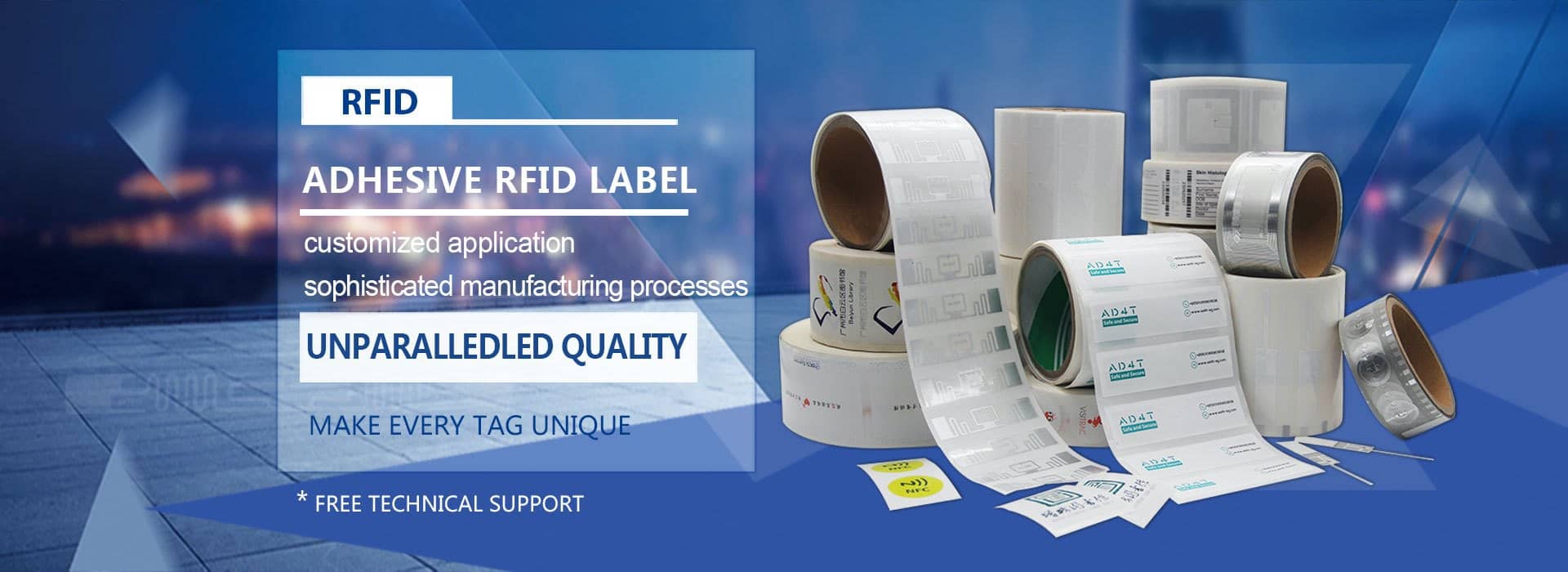
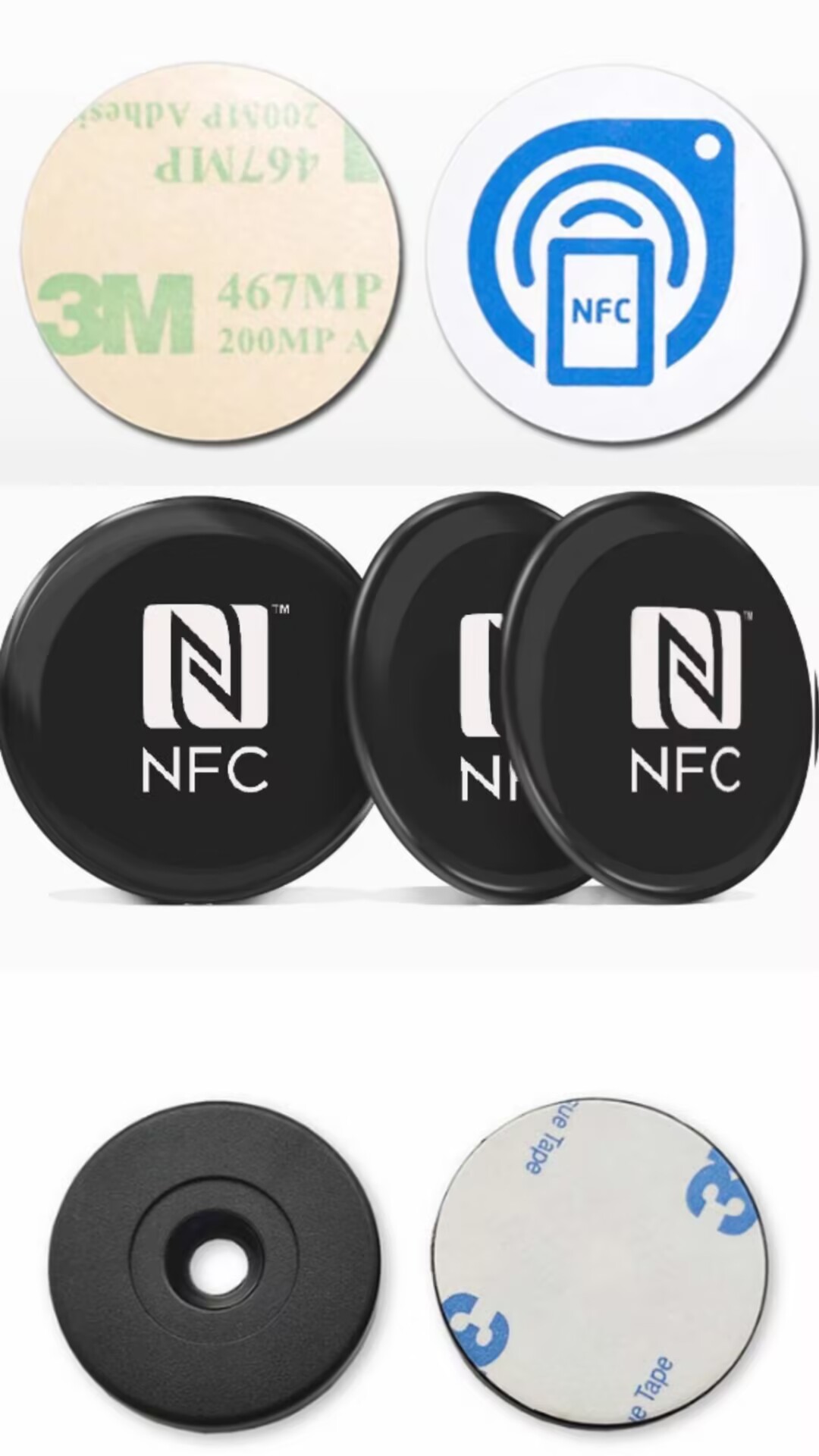
Unlike conventional NFC tags, which are rendered ineffective by metal’s interference with radio frequency signals, anti-metal variants use specialized shielding layers and antenna designs to bypass signal blockage. This innovation has unlocked NFC’s potential for tracking high-value metal assets, a gap that previously forced industries to rely on costly, less efficient alternatives like RFID or manual logging.
Manufacturing: Streamlining Equipment Maintenance
Leading automotive manufacturer BMW has integrated NFC anti-metal tags into its Munich production facility, attaching tags to metal machinery such as robotic arms and conveyor belts. Workers now use smartphones to scan tags within 10 centimeters, instantly accessing maintenance histories, calibration schedules, and repair guides—cutting equipment downtime by 30%, the company reports.
“Before anti-metal NFC,we relied on technicians to manually log machine data, which led to errors and delayed repairs,” said Stefan Weber, BMW’s Global Head of Production Technology. “Now,every scan updates our central system in real time. We 've reduced maintenance costs by €2.1 million annually just at this facility.”
Similarly,Siemens has deployed 50,000 NFC anti-metal tags across its European manufacturing plants to track metal tooling and spare parts. The technology has improved inventory accuracy from 82% to 99%, eliminating time wasted searching for misplaced assets.
Aerospace & Defense: Enhancing Safety and Compliance
The aerospace industry, which requires rigorous tracking of metal components for safety and regulatory compliance, has rapidly adopted the technology. Airbus now uses NFC anti-metal tags on engine parts and landing gear components, allowing engineers to log inspection data directly on the asset during maintenance checks.
“Aircraft parts must meet strict documentation requirements, and paper logs are prone to loss or tampering,” said Elena Marquez, Airbus’ Supply Chain Innovation Manager. “With anti-metal NFC, every inspection is timestamped and stored digitally—ensuring full traceability for aviation regulators like the FAA and EASA.We’ve reduced compliance audit time by 40%.”
Defense contractor Lockheed Martin has also embraced the technology, tagging metal military equipment such as armored vehicles and weapon systems. The tags, which are resistant to extreme temperatures and harsh environments, enable secure asset tracking in combat zones.
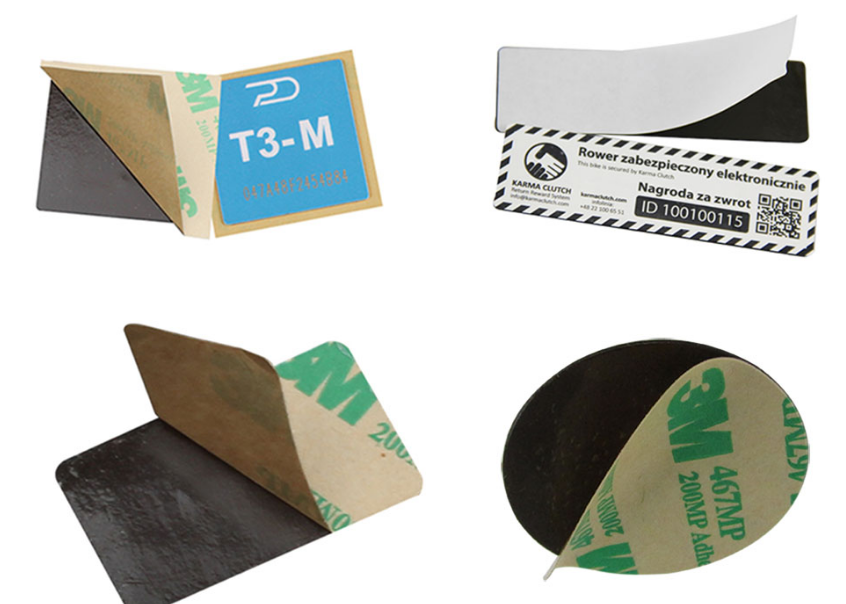
Technological Advancements Lower Barriers
Historically, the high cost of anti-metal NFC tags limited their adoption. However, recent advancements in materials science—such as the use of flexible ferrite layers and printed antennas—have reduced tag costs by 55% since 2022, making them accessible to small and medium-sized enterprises (SMEs).
Dutch startup NFC-Metal Solutions, a pioneer in the space, now offers durable anti-metal tags for as little as $0.15 each - comparable to standard NFC tags. The company's tags are also waterproof and resistant to chemicals, expanding their use in sectors like oil and gas.
“For SMEs in industries like construction or marine engineering, asset tracking used to be a logistical nightmare,” said Pieter Van der Veen, CEO of NFC-Metal Solutions. “Our tags work on steel beams, ship hulls, and oil pipelines—enabling these businesses to track assets without investing in expensive infrastructure. We’ve seen a 200% increase in SME clients this year alone.”
Gartner 's report projects that global shipments of NFC anti-metal tags will reach 1.2 billion units by 2027 up from 380 million in 2024—a compound annual growth rate (CAGR) of 42%. The energy and healthcare sectors are expected to drive further growth,with utilities using tags to monitor metal power grid components and hospitals tracking stainless steel medical equipment.
Experts also anticipate integration with other technologies, such as blockchain and IoT sensors. For example,NFC anti-metal tags paired with temperature sensors could monitor the condition of metal pharmaceutical storage units,alerting staff to temperature fluctuations that risk drug efficacy.

“NFC anti-metal tags are not just a niche solution—they’re redefining how industries track critical assets,”said Dr. Lisa Chen,a Gartner research director. “As the technology becomes more affordable and versatile,we’ll see it become a standard tool for asset management, replacing outdated methods and unlocking new levels of efficiency and compliance.”