NFC vs RFID: Unpacking the Technical Differences and Practical Applications
In the realm of contactless technology,Near Field Communication(NFC)and Radio-Frequency Identification (RFID) are often conflated—but their distinct capabilities make them suited for vastly different use cases. As businesses and consumers increasingly rely on contactless systems for payments, inventory tracking, and access control, understanding their technical disparities becomes critical. This analysis breaks down key differences across six core dimensions.
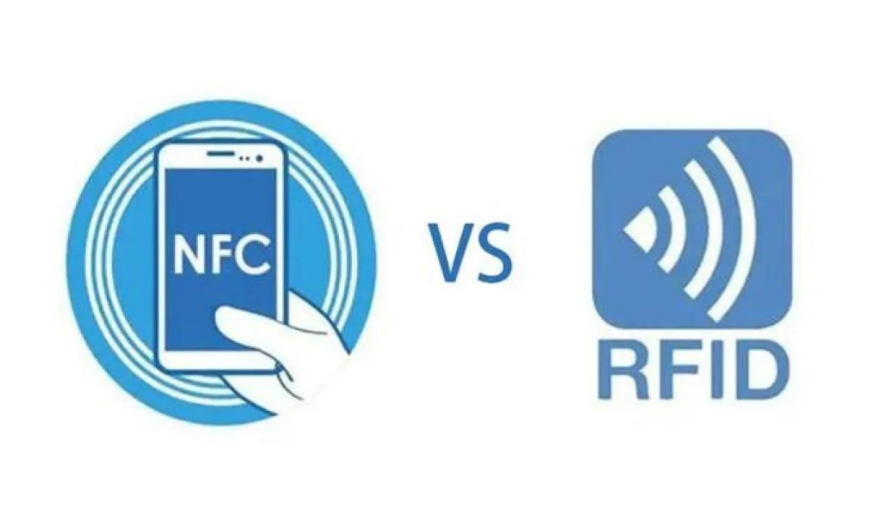
1. Technical Definition & Core Function
RFID, a foundational radio-frequency technology, uses electromagnetic fields to identify and track tags attached to objects. It operates on a one-way or two-way communication model and requires two components: a reader (transmitter/receiver) and a tag (passive or active).Tags store data (e.g., product IDs, serial numbers) that readers retrieve without physical contact.
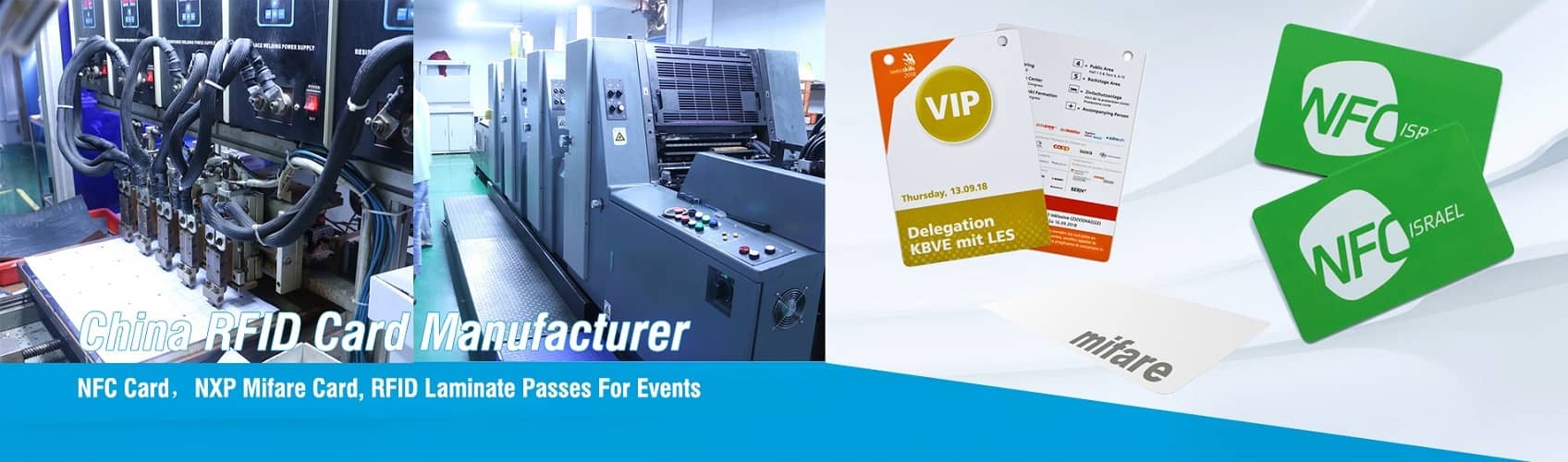
NFC,by contrast,is a short-range subset of RFID—specifically built for interactive, two-way communication between devices. Defined by the NFC Forum, it enables peer-to-peer (P2P) data exchange (e.g., sharing photos between phones) and device-to-tag interactions (e.g., tapping a phone to a payment terminal). Unlike standard RFID, NFC is designed for user-initiated,low-power interactions.
2. Operating Frequency & Range
Frequency directly impacts range and data transfer speed, a key differentiator between the two technologies:
RFID:Operates across three primary frequency bands, each with unique use cases:
Low Frequency (LF): 125–134 kHz, range of 1–10 cm (ideal for animal tracking, access control).
High Frequency (HF): 13.56 MHz, range of 10 cm - 1 m (used in smart cards, library book tracking).
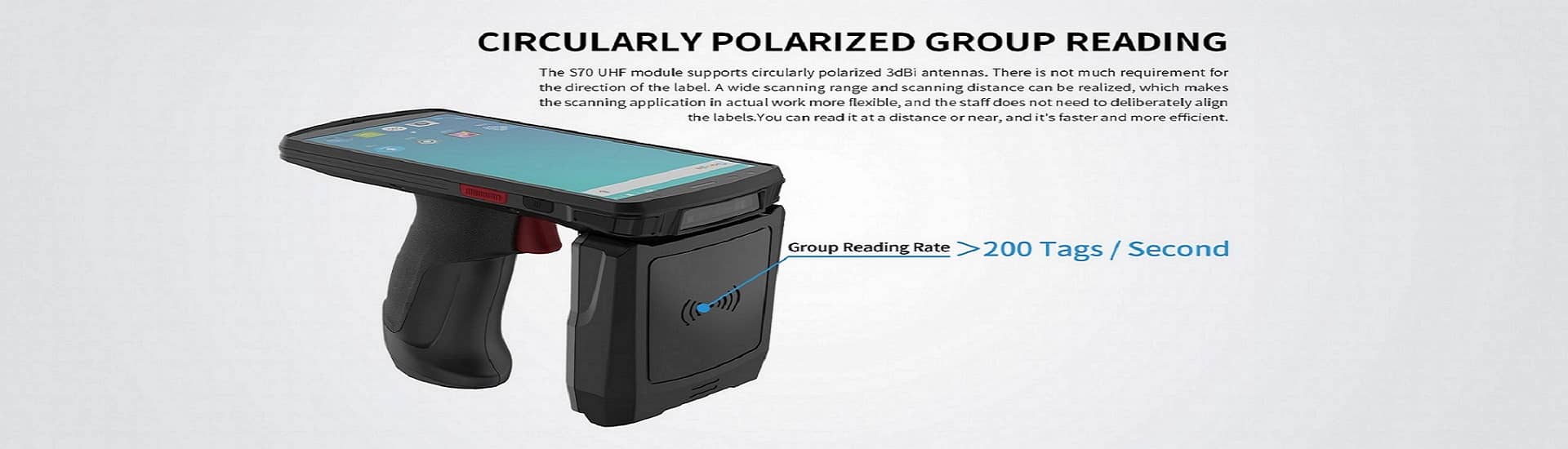
Ultra-High Frequency (UHF): 860–960 MHz, range of 1–10 m (for warehouse inventory, supply chain logistics).
NFC: Exclusively uses the 13.56 MHz HF band (matching RFID's HF range) but limits communication to a maximum of 10 cm. This short range is intentional, as it enhances security for applications like mobile payments.
3. Communication Mode & Interactivity
RFID systems typically operate in one-way communication: Readers transmit radio waves to power passive tags, which then send back stored data (e.g., a product’s SKU). Active RFID tags (powered by batteries) can send data to readers, but interactions remain non-interactive and focused on tracking.
NFC, however, supports two-way, peer-to-peer communication between compatible devices (e.g., two smartphones or a phone and a smart poster). This interactivity allows for dynamic use cases: users can tap their phone to a transit card to reload it, share Wi-Fi credentials by tapping two devices, or access a website by scanning an NFC tag.
4. Security Features
Security varies significantly due to differences in range and design:
RFID: Most low- and high-frequency RFID tags lack built-in security, making them vulnerable to eavesdropping or cloning. UHF RFID systems may include encryption, but this is optional and adds cost. For example, traditional RFID access cards can be copied with inexpensive readers, posing security risks.
NFC: Security is a core design principle. NFC payments (e.g., Apple Pay, Google Pay) use tokenization—replacing sensitive card data with a unique, one-time token—to prevent theft. Additionally, the 10 cm range minimizes the risk of unauthorized scanning, as attackers must be in close proximity to intercept data.
5. Power Requirements
RFID: Tags are categorized as passive, semi-passive, or active:
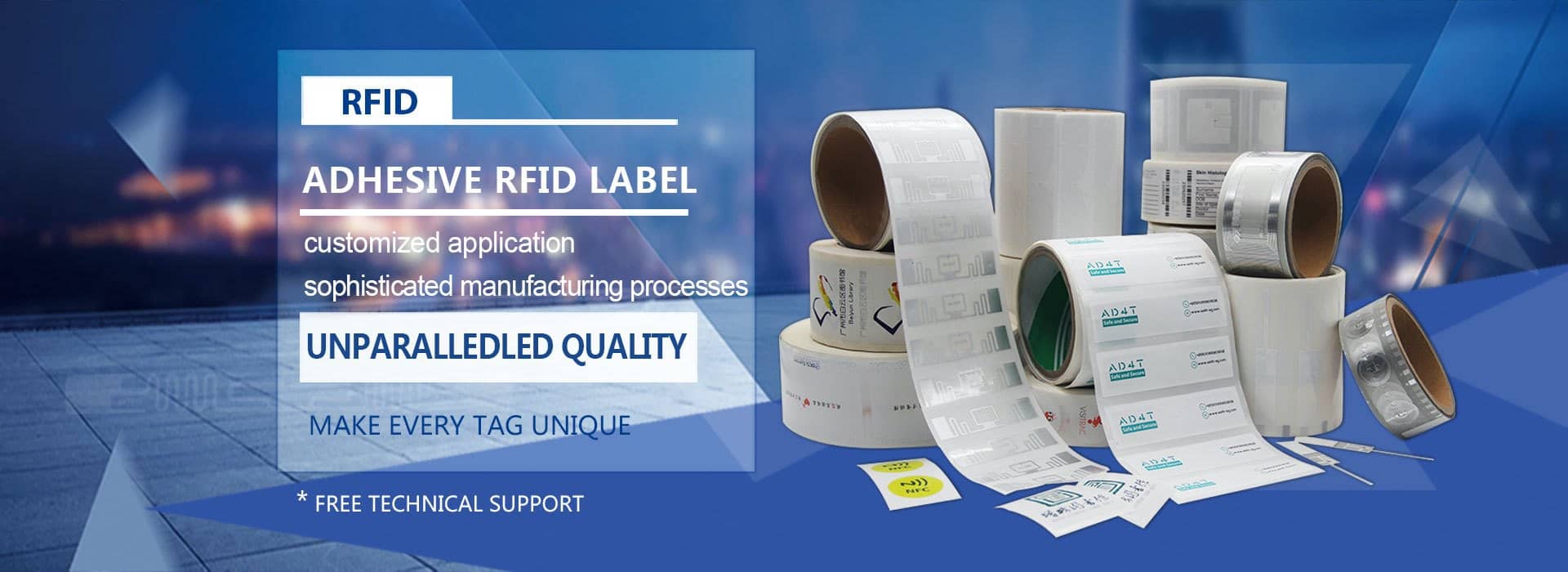
Passive tags: No battery; powered by the reader’s radio waves (most common, e.g., retail price tags).
Semi-passive tags: Include a small battery to extend range but still rely on readers for data transmission.
Active tags: Have their own battery, enabling longer range and real-time data transmission (used in fleet tracking).
NFC: Tags are almost always passive (powered by the device’s radio waves, e.g., NFC stickers). NFC-enabled devices (phones, tablets) use their internal batteries to power communication, but tags themselves require no external power source.
6. Practical Applications
Their unique strengths drive distinct use cases:
RFID: Dominates large-scale tracking and logistics:
Supply chains: Tracking pallets of goods in warehouses (UHF RFID).
Retail: Inventory management (scanning hundreds of items at once).
Agriculture: Monitoring livestock health via implanted LF tags.
Healthcare: Tracking medical equipment (e.g., wheelchairs, defibrillators) in hospitals.
NFC: Excels in consumer-facing, interactive applications:
Mobile payments: Tap-to-pay transactions at stores or vending machines.
Access control: Tapping a phone to unlock doors (replacing traditional keycards).
Marketing: Smart posters that trigger website links or app downloads when scanned.
Data sharing: Transferring contacts, photos, or files between devices with a tap.
While NFC is technically a subset of RFID, their differences in range, interactivity, and security make them non-interchangeable. RFID remains indispensable for large-scale tracking, where long range and efficiency are priorities. NFC, meanwhile, is reshaping consumer interactions, offering secure, user-friendly contactless experiences. As contactless technology evolves, both will continue to play vital roles—each addressing needs the other cannot.