Eco-Friendly Innovation Takes Center Stage: RFID Wooden Key Cards Redefine Access Control
Sustainable Alternative to Plastic Gains Traction in Hospitality, Corporate, and Residential Sectors
A new player in access control technology is making waves by merging sustainability with functionality: the RFID Wooden Key Card. Developed by eco-conscious tech startup GreenTech Access, this innovative product replaces traditional plastic RFID key cards with durable, responsibly sourced wood—offering businesses a way to reduce their environmental footprint without compromising on security or performance.
As global demand for sustainable solutions grows, the RFID Wooden Key Card arrives at a critical time. Plastic key cards, a staple in hotels, offices, and apartment buildings, are typically single-use or have short lifespans, contributing to millions of tons of plastic waste annually. GreenTech Access’s wooden alternative addresses this issue head-on, using FSC-certified (Forest Stewardship Council) hardwood or bamboo that is both biodegradable and recyclable.
“The RFID Wooden Key Card was born from a simple question: Why do access cards have to be plastic?” says Ethan Reed, CEO of GreenTech Access. “Businesses today want to act sustainably, but they don’t want to sacrifice convenience or security. Our wooden cards solve both problems—they’re as durable as plastic, work with existing RFID systems, and leave a fraction of the environmental impact.”
Key Features: Durability, Compatibility, and Customization
Despite its natural material, the RFID Wooden Key Card is built to withstand daily use. The wood undergoes a specialized treatment process—including water-resistant coating and scratch-proof finishing—that ensures it resists warping, fading, and damage from spills or drops. Testing shows the cards maintain functionality for up to 5 years, matching or exceeding the lifespan of standard plastic RFID cards.
Compatibility is another standout feature. The cards integrate seamlessly with most existing RFID access control systems, including those used in hotels (for room entry), office buildings (for employee access), and residential complexes (for gate or elevator entry). This eliminates the need for businesses to invest in new hardware, making the switch to wooden cards cost-effective and low-effort.
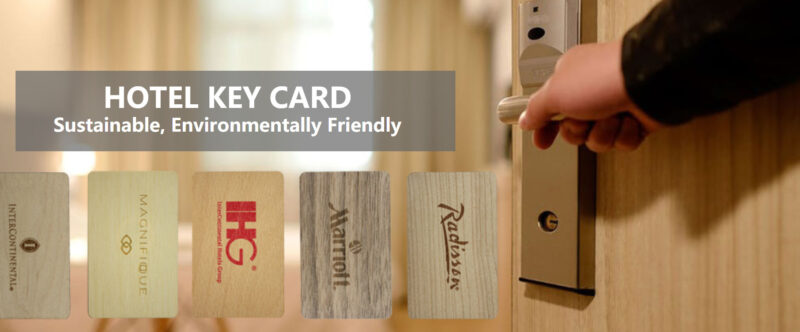
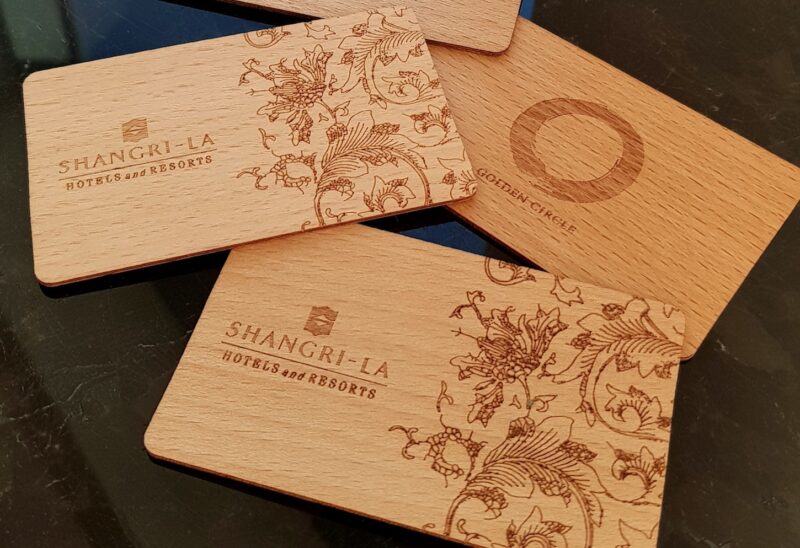
Customization options further enhance the product’s appeal. Businesses can choose from a range of wood types—including oak, maple, and bamboo—each with unique grain patterns that add a premium, natural aesthetic. The cards can also be engraved with logos, brand colors, or custom designs, turning a functional tool into a subtle branding asset. For example, a boutique hotel might engrave its name and a small floral motif, while a tech company could opt for a minimalist logo etched into light bamboo.
Real-World Applications: From Hotels to Coworking Spaces
Early adopters across industries are already praising the RFID Wooden Key Card for its blend of sustainability and style.
In the hospitality sector, boutique hotels are leading the charge. The Riverfront Inn, a luxury lodge in Colorado, swapped plastic room keys for oak RFID wooden cards earlier this year. “Our guests love the natural feel—many even ask if they can keep the cards as souvenirs,”says Lisa Martinez, the inn’s general manager. “It aligns perfectly with our brand’s focus on eco-tourism, and we’ve seen a 15% increase in positive reviews mentioning our ‘sustainable touches.’” The hotel also reports a 20% reduction in key replacement costs, thanks to the cards'durability.
Corporate offices are also embracing the trend. Tech firm NovaWorks, which has offices in Seattle and Austin, recently rolled out bamboo RFID wooden cards for employee access. “We wanted to make our sustainability efforts visible in small, everyday ways,” explains Mia Chen, NovaWorks’ sustainability director. “The wooden cards are a conversation starter—employees and clients alike comment on them, and it reinforces our commitment to reducing plastic waste. Plus, they’re more unique than generic plastic cards, which boosts team pride.”
Residential and coworking spaces are joining in too. The GreenHaven Apartments in Portland now uses maple RFID wooden cards for tenant entry, while coworking chain WorkHub has adopted bamboo cards for member access. “Tenants tell us the wooden cards feel more ‘homey’ than plastic ones,” says James Wilson, property manager at GreenHaven. “It’s a small detail, but it makes a big difference in how people perceive our community.”
We can custom wooden rfid key card for different brand locks,such as adel ,ving card,salto/saflok/betech,etc.If any inquiry,welcome to contact.